Inspiration to Write Flocktales From the Flats
A Chesapeake Bay waterfowl conservation series teaching morals. All books have maps and glossaries.
When I was ten I watched a man from our bay window cut down a large tree in the backyard. My mother told me he was, “your father’s uncle, Great Uncle Bob Litzenberg and that he was cutting wood to carve decoys for hunting. My siblings and I never had an opportunity to meet him.
At 34 years old, I was teaching at Elk Neck Elementary School. I stopped by Stanley’s Newsstand for a Sunday paper after church. In the display window, a pair of decoys and the book, Portrait of a Decoy Carver, Robert G. Litzenberg by Donna Belinko, caught my eye. I went back in the newsstand and bought that book. I read it cover to cover and found it fascinating that my Great Uncle carved decoys, made beautiful Queen Anne furniture and mirrors, and had his waxed figure and full set of decoys displayed at the Havre de Grace Decoy Museum! I wanted to meet this talented man, my Great Uncle Robert G. Litzenberg, Sr.
I heard there was a decoy show at North East Middle School. I didn’t know a canvasback from a pintail but I didn’t let that bother me, nor feel intimidated by all of those talented carvers with their decoys set up in the gym. Meeting my great uncle had an impact on my life as a teacher and an author. With that twinkle in his eye, he invited me to visit his home to meet Esther, his wife, so I did. That was the first of many visits.
I would bring Aunt Esther and Uncle Bob pumpkin bread and jelly belly beans. We would sit on the back porch or in the front room as he told me his railbird hunting stories in the Scotland Marsh and how the sky was black with ducks as they flew in to eat wild celery. He showed me his decoys and his workshop in the basement. I was so inspired, I said straight to him, “Uncle Bob, the children in Cecil County need to know about this early Chesapeake Bay history and how the punt gun, sink box, and live decoys were outlawed due to overhunting. I told him, as I stood by the screen door to leave, that I was headed to the library to check out books on hunting, waterfowl, and how to write a manuscript submission. He smiled and was pleased to hear about my writing project.
After the first book, Close Duck Calls, he gave me a pair of full size blue winged teal which I still treasure so much because it was a gift from him. I went to a Sassafras Ducks Unlimited fish fry with him and his wife, Esther. Twice, I went to dinner at the Bayou with them and continued to visit both of them to read drafts of the upcoming books.
Since then, I have published thirteen books related to waterfowl conservation, and environmental concerns about the bay and the beach. I led my school, Elk Neck Elementary to become the first self-sustained Green School in CCPS at all levels and pursued my doctorate degree with a dissertation on environmental education.
Writers can be inspired by people, places, experiences, and objects. If you find yourself sparked and motivated to pursue any project, then dream it, wish it and do it. All dreams and goals can come true with the courage to pursue them.
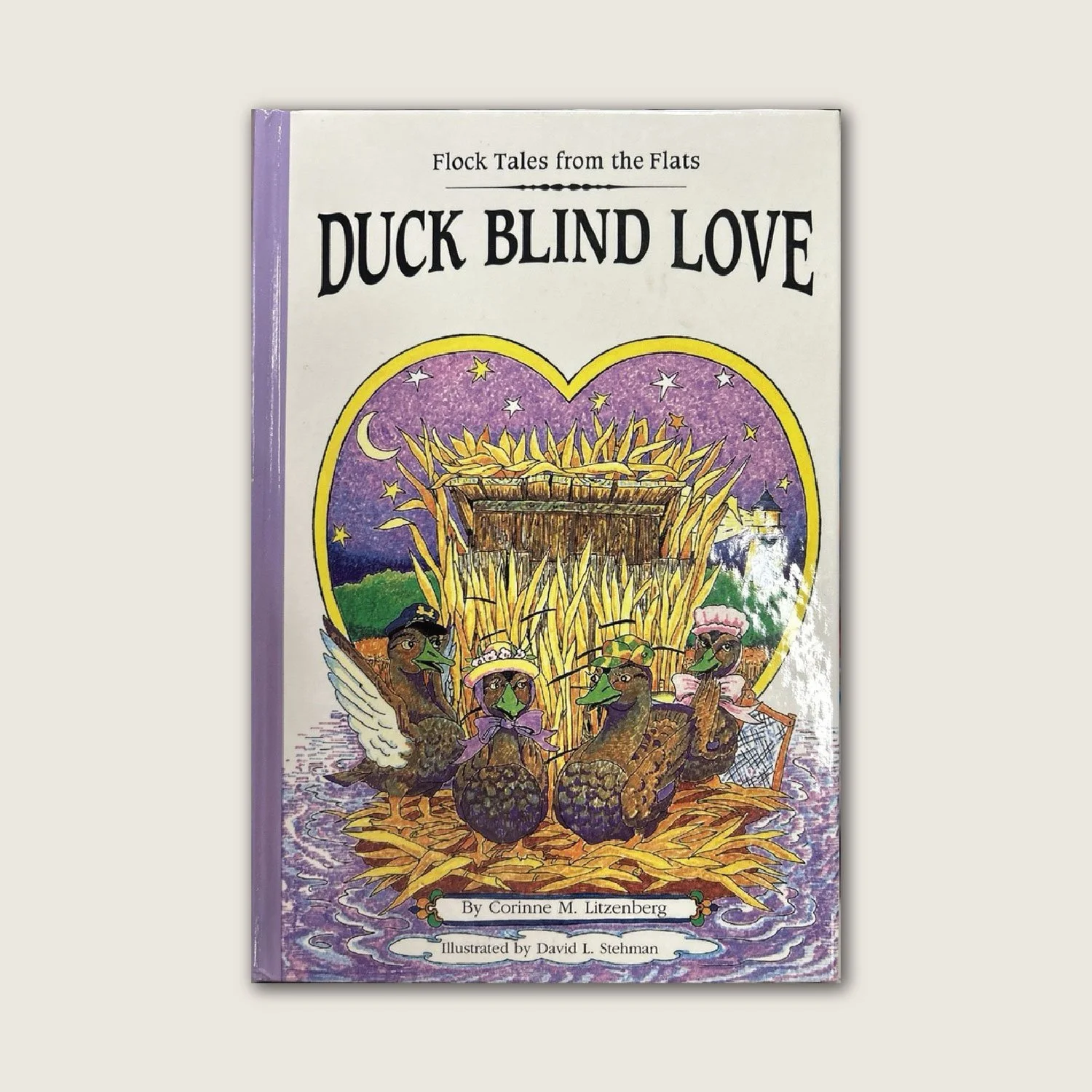
Duck Blind Love
It’s the early 1900’s on the Susquehanna Flats in Maryland when hunters uses live decoys to lure waterfowl in their range of fire. Tome Toller was no ordinary black duck, he was a live decoy used to lure waterfowl in the range of fire for the hunters. He became more of a family pet when ol’ Mister Fox raided the tolling pen and the hunter’s wife nursed him back to health.When Tom joins his master for a night hunting trip he meets the most beautiful black hen he had ever seen.
Will Bernadette Black stay with her family on Spesutia Island or marry Tom Toller and live at the Wild Duck Cove Gunning Club Farm?
Flocktale Lesson: Follow Your Heart
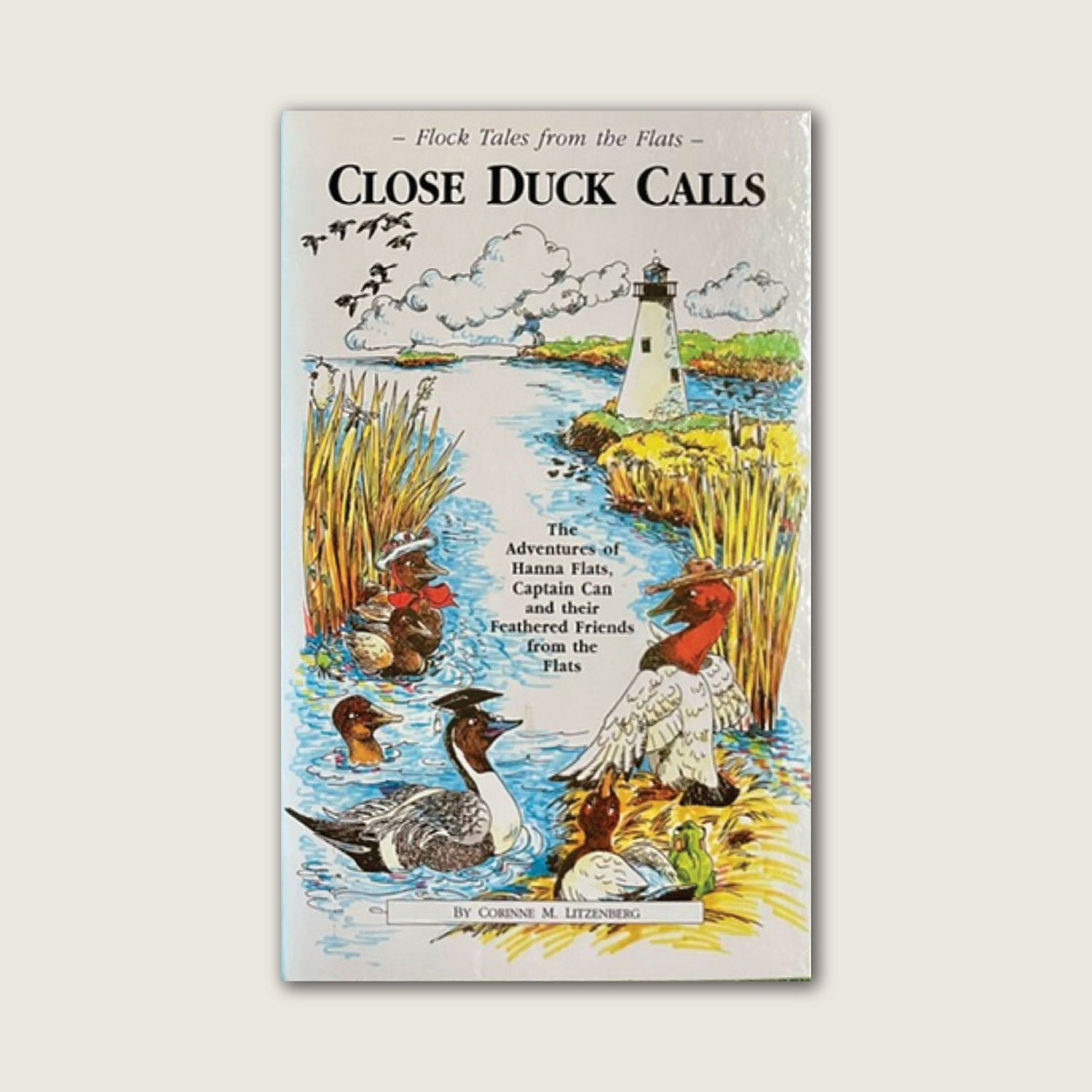
Close Duck Calls
Join the flock of Captain Can, Hanna Flats, and their feathered friends from the Flats in the Upper Chesapeake Bay. It is the 1930’s when luscious wild celery grows wildly and waterfowl eat to their bills’ content. But…be on the lookout! Where there are ducks, there are hunters nearby. At the prime of duck hunting season, Emma and Can, Jr. Find themselves in the middle of the Flats where hunters have been awaiting their arrival for hours! Good ol’ Professor Pintail saves the day. Meet their feathered friends as they share their story of Close Duck Calls.
Flocktale Lesson: Be Thankful
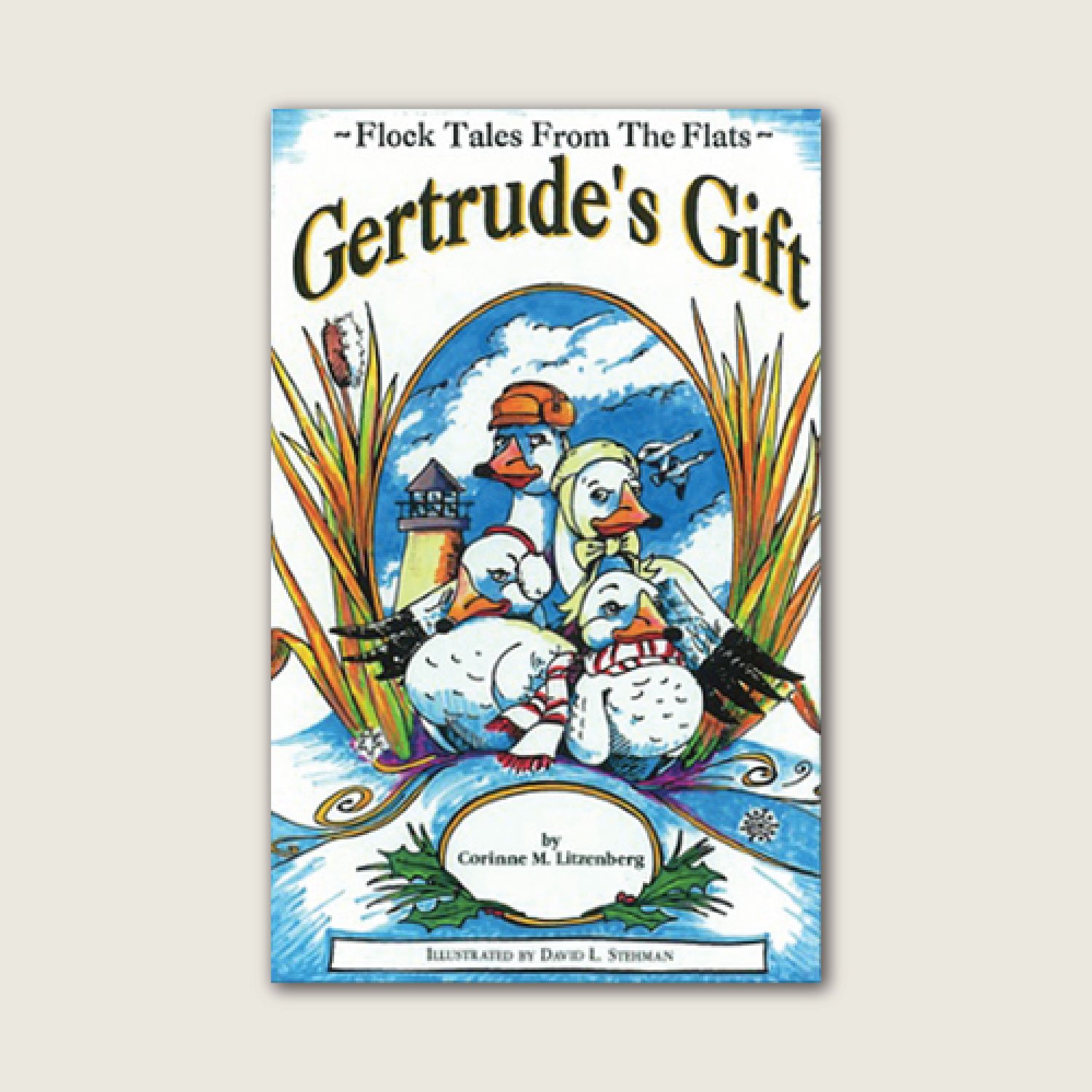
Gertrude’s Gift
Every duck, goose, and swan are busy preparing for the annual Waterfowl Christmas Gala to be held on the yuletide waters of the Susquehanna Flats. All…except Gertrude Snow Goose. She just can’t seem to get into the holiday spirit. Gertrude wasn’t much help and she seemed to get in the way of party planning. Then one special night, a visitor lifted Gertrude’s spirits.
Flocktale Lesson: Keep That Christmas Spirit
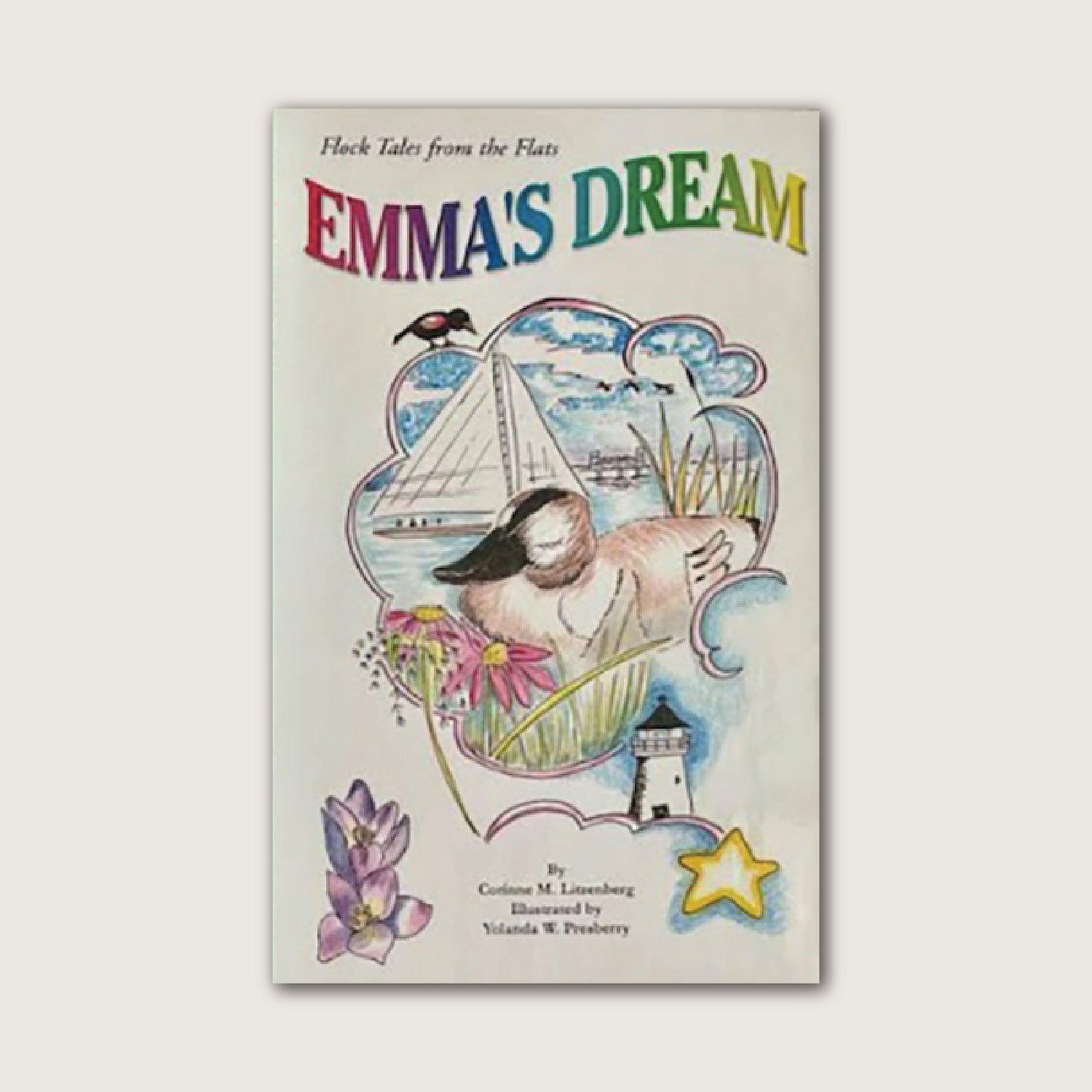
Emma’s Dream
Emma woke up to find herself in the Upper Chesapeake Bay, but not in the world she remembered. Instead, Children sailed on the Martha Lewis skipjack, birds wore banding bracelets, and it was closed season for the Canada goose. The canvasback hen knew the Upper Bay like the back of her wing, yet something seemed very different to her. A wise blue heron teaches Emma about what has happened to the Chesapeake Bay.
Flocktale Lesson: Dream big like Emma and save the bay.
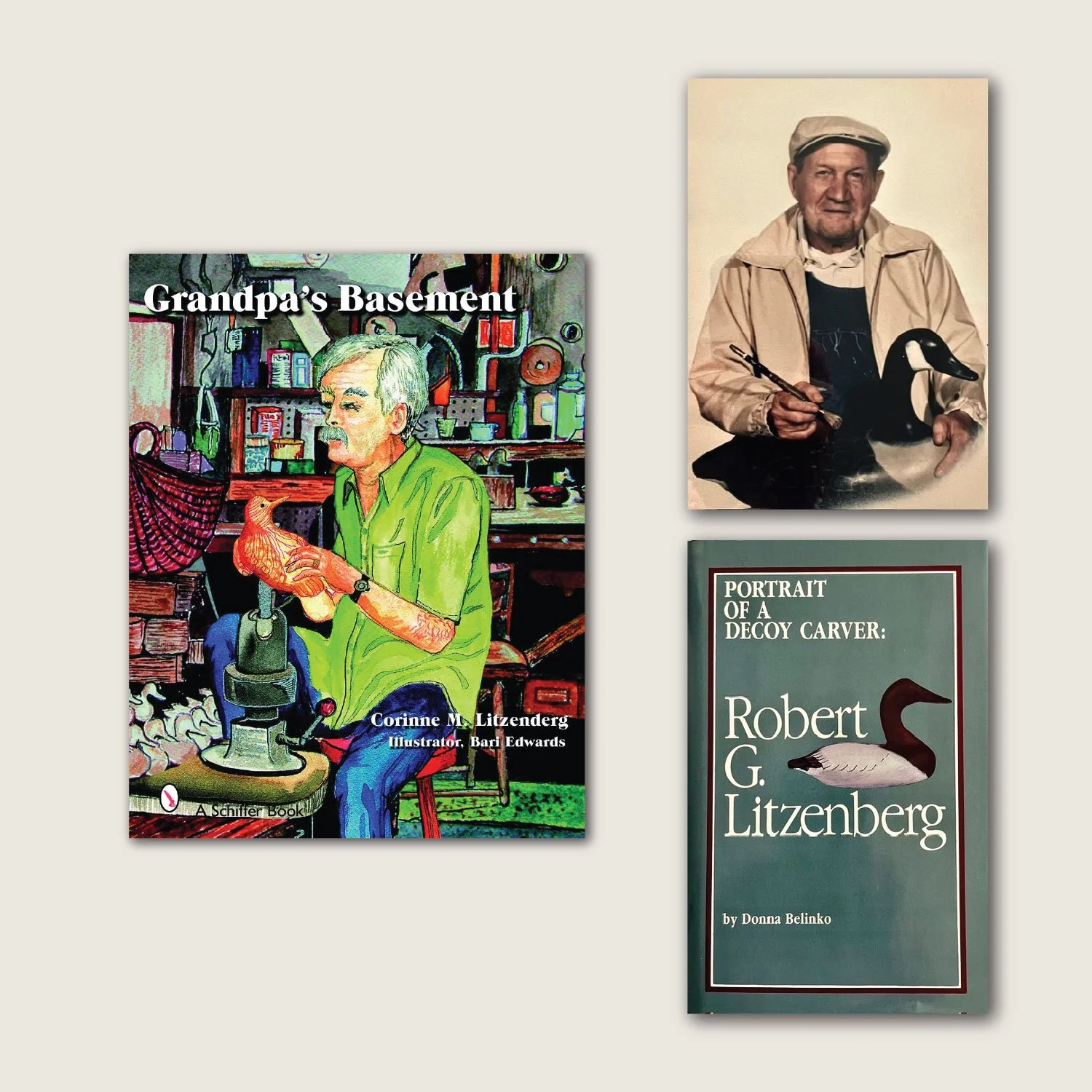
Grandpa’s Basement
Emma woke up to find herself in the Upper Chesapeake Bay, but not in the world she remembered. Instead, Children sailed on the Martha Lewis skipjack, birds wore banding bracelets, and it was closed season for the Canada goose. The canvasback hen knew the Upper Bay like the back of her wing, yet something seemed very different to her. A wise blue heron teaches Emma about what has happened to the Chesapeake Bay.
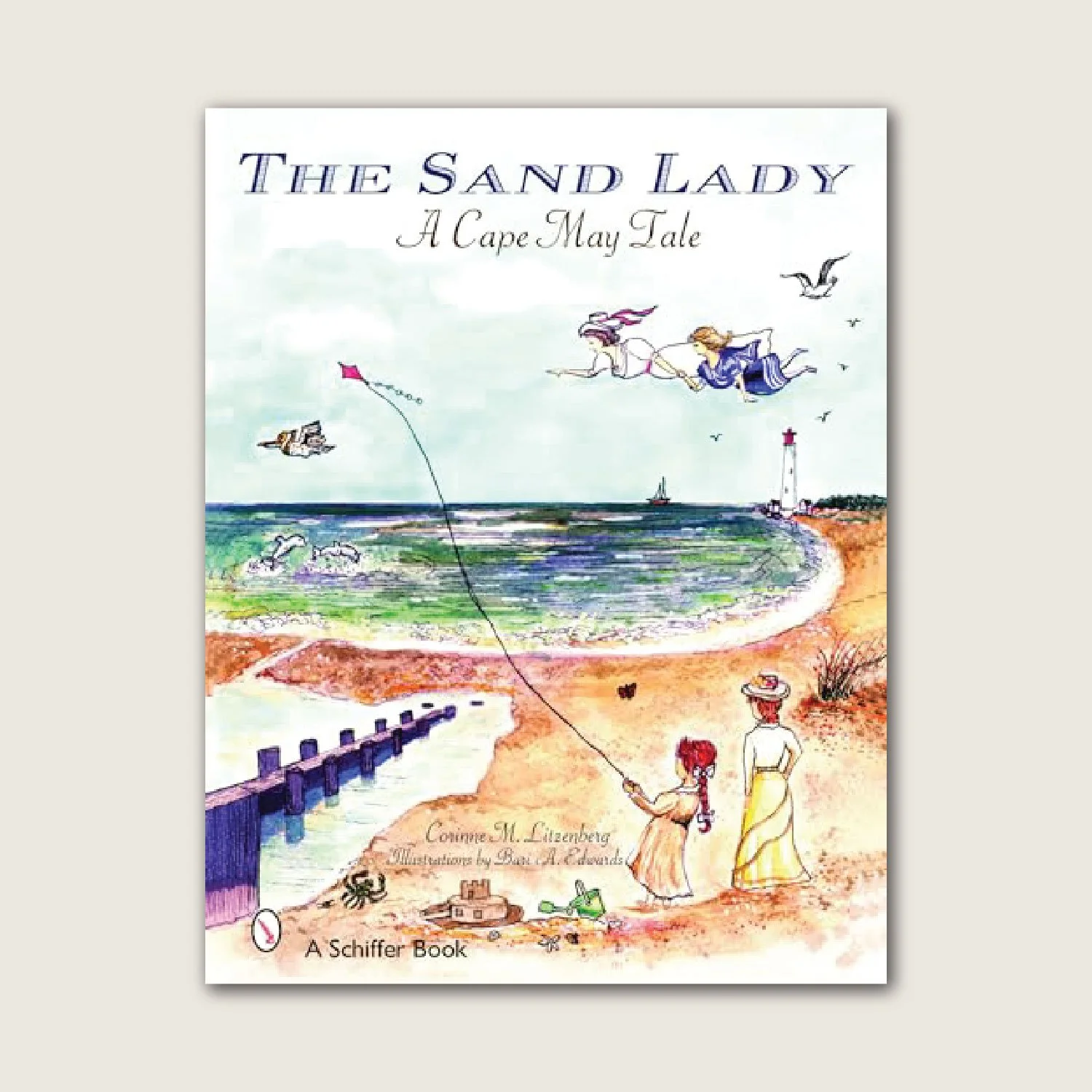
The Sandy Lady, A Cape May Tale
On a warm summer day playing at the seashore, Natalie makes a sand lady dressed in seashells, Cape May diamonds, and sea grass. When she adds a magical egret feather to her hat, her sand lady springs to life. So begins an exciting adventure in time, taking Natalie and her sand lady back to Victorian Cape May, New Jersey in 1912. Travel back in time to the early 1900s as the magical Sand Lady takes a young Jill to Victorian Ocean City, Maryland. They visit the Atlantic and the Plimhimmon Hotels, have ice cream at the Sugar Bowl, tea at O’Connors Restaurant, and a Carousel ride at Trimper’s Luna Park.
Entertaining and educational for readers of all ages, this book features maps, more than forty vivid watercolor illustrations of Victorian architecture and landmarks, with a glossary, timeline, and a bibliography.

The Sandy Lady, An Ocean City, Maryland Tale
Travel back in time to the early twentieth century as the magical Sandy Lady and a young girl, Natalie vacation in Ocean City, Maryland as the Sand Lady remembers it. See the Atlantic and Plimhimmon Hotels, have ice cream at The Sugar Bowl, tea at Conner’s restaurant, enjoy a carousel ride at Trimper’s Luna Park, taste fudge at Dolle’s candy shop, then try on sunhats at a millinery store. Symbols of Maryland are featured in the book: a blue crab checkerspot butterfly, diamondback terrapin turtle, and a Assateague pony
Entertaining and educational for readers of all ages, this book features maps, more than forty vivid watercolor illustrations of Victorian architecture and landmarks, with a glossary, timeline, and a bibliography.
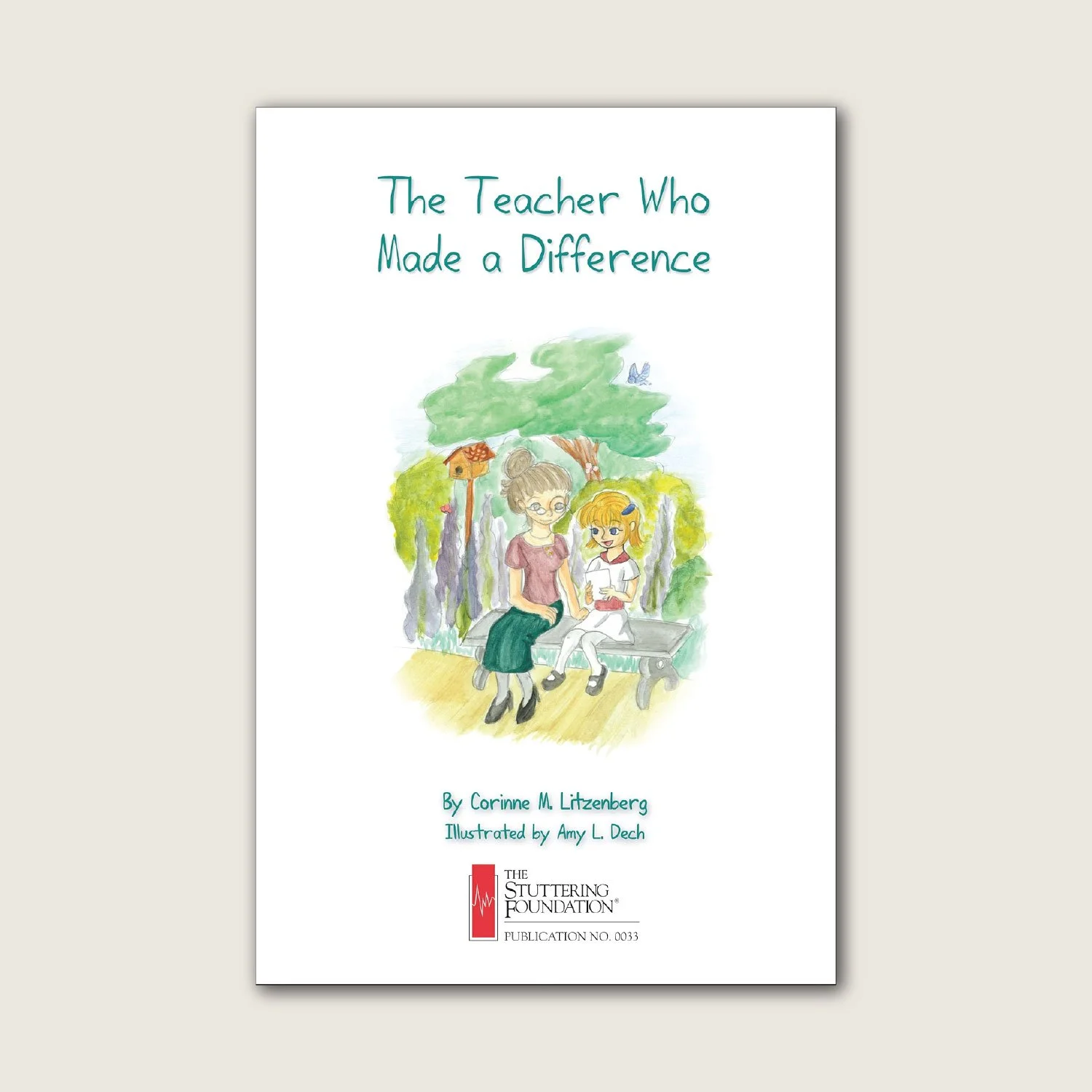
The Teacher Who Made a Difference
A week before Earth Day, the school-wide poetry contest winners were announce at Corinne’s school. Each grade level winner was going to read their poem aloud to the entire school. Corinne’s poem won! Her teacher always said that she paints a picture when she writes with words. But, now she would have to read her poem aloud. How Corinne wanted to share her Earth Day poem. Find out how she was able to overcome some of the challenges of stuttering with help from a special teacher who made a difference.

Ice Cream Cones and Heat Stones, A Child’s Grief Journey
Madison loves the beach, especially making memories wth her Granddad. “Maddie the Mermaid,” he declared one summer day. Summers at the beach house were the best tme they shared together. Then one day, Maddie’s world changed with the loss of her Granddad. Find out how Maddie begins her grief journey and how her faith in God helps her to heal.
“Litzenberg has found a beautiful and sensitive way to put to words to such a difficult subject for us all. The illustrations from Ms. Blaker captures the moments of Maddie’s happy, to hurting, to healing journey.” — Garrett Tollenger, Chapter Leader and Facilitator, Greater Baltimore Chapter of the Compassionate Friends.
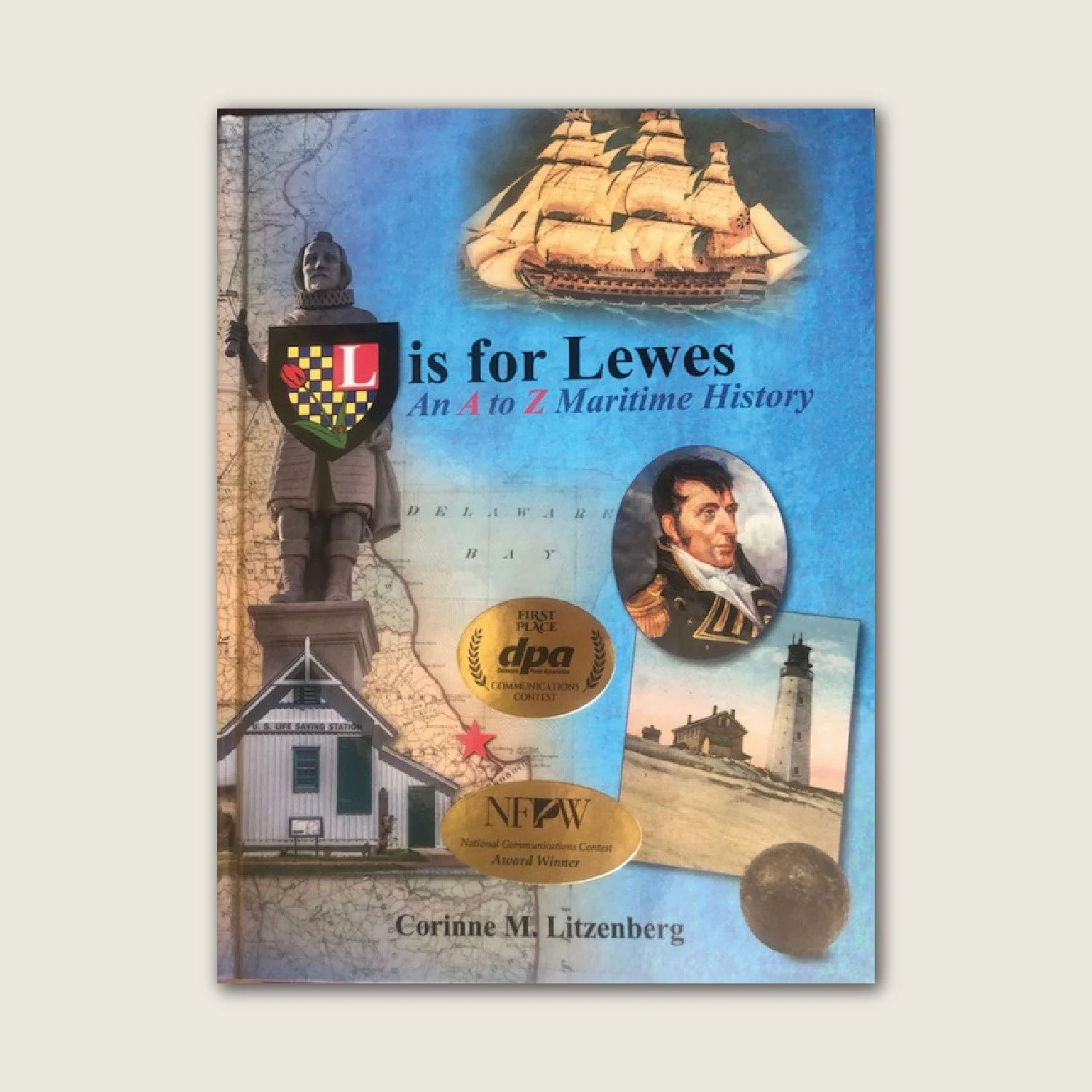
L is for Lewes, An A to Z Maritime History
L is for Lewes, An A to Z Maritime History, a Delaware and National award-winning book, takes the reader through each letter of the alphabet in a series of verses about Lewes. Corinne wrote the book to commemorate The Lewes Historical Society’s 60th anniversary. Through a collaboration with several organizations and individuals, the author collected vivid images to help celebrate the history of the first town in the first state. The book includes images of significant artifacts, objects, places, and notable members of the Lewes community.
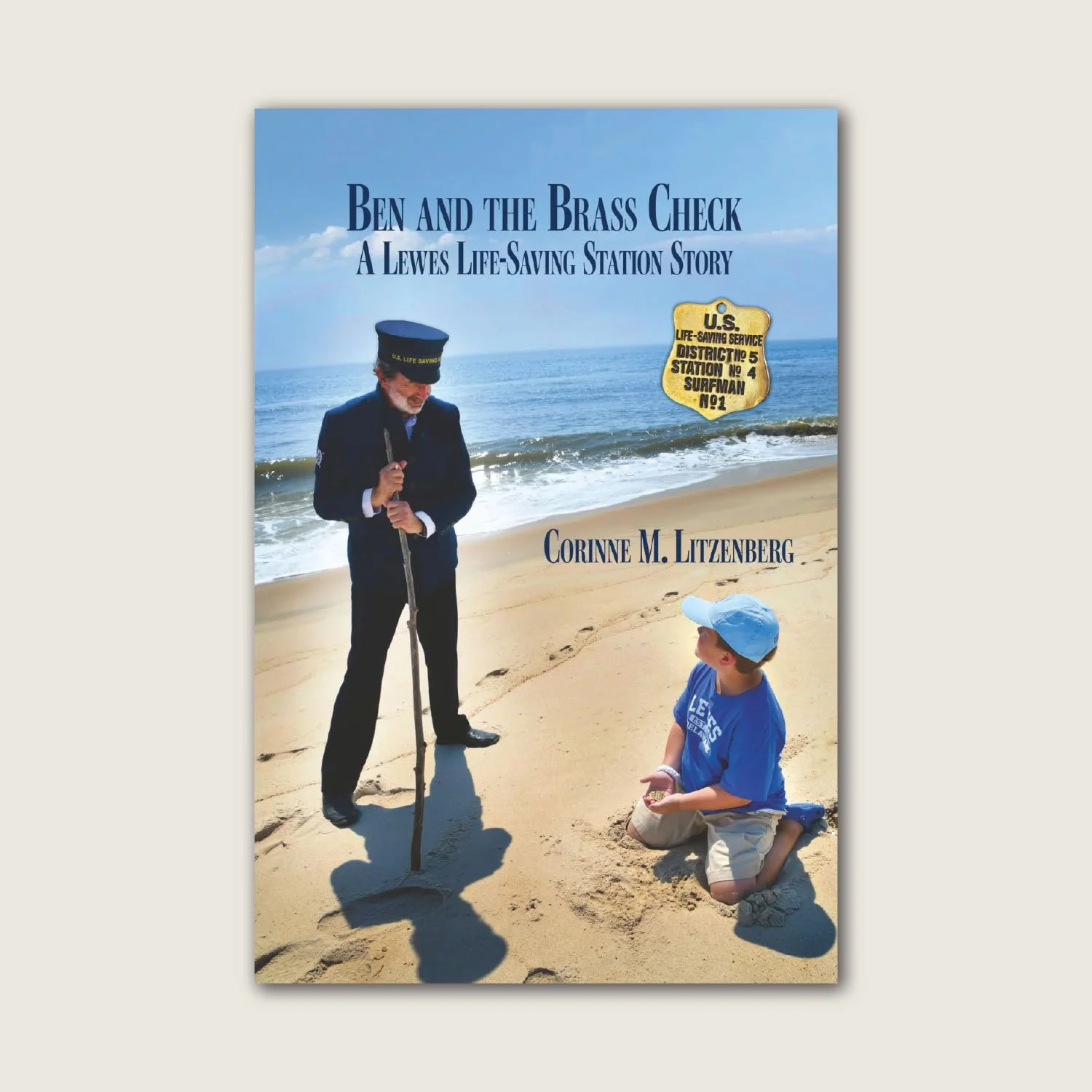
Ben and the Brass Check, A Lewes Life-Saving Station Story
When Ben took the Bay avenue path that led over the dune to Lewes Beat, he saw something shining on the wet sand and picked up a small piece of metal, inscribed with the words: U.S. Life-Saving Service, District No.5, Surfman No.1. Ben rubbed the sand off the badge and looked up to see a surfman, dressed in dark blue and carrying a walking stick, who introduced himself as Levi Lynch and said: “Why, you’ve found my surfman’s brass patrol check.” Discover what Ben learns about the brave surfmen and how the surfmen on the Delaware Coast saved nearly two hundred lives during the Great Blizzard of 1888. And what happens to the Brass Check?
“What sets this story apart is how beautifully it portrays the courage, dedication, and self-sacrifice of surfmen like Levi Lynch.Vivid descriptions and archival images immerse readers in the historical setting that brings these unsung heroes back to life. Lessons of teamwork, integrity, and bravery offer a meaningful message to children about doing the right thing, no matter the challenges. Litzenberg’s story will inspire future generations to value the importance of service and history.” —Capt. Wes Pulver, USCG (Ret.), President, National Coast Guard Museum Association
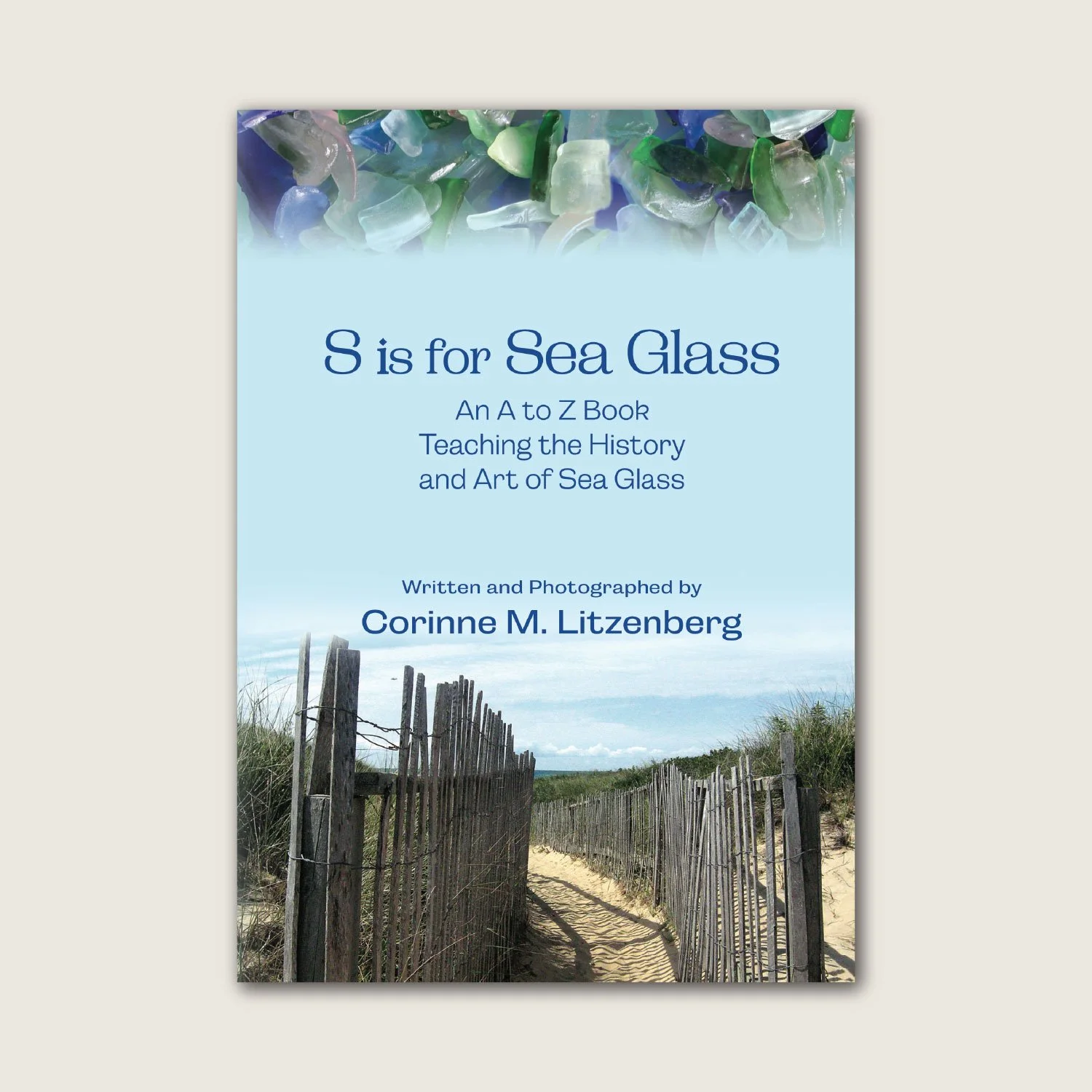
S is for Sea Glass, An A to Z Book Teaching the History and Art of Sea Glass
Beachcombing author Corinne Litzenberg believes that “sea glass rules!” In her S is for Sea Glass, 2nd edition poetry book, each verse teaches something environmental and historical about sea glass. Sea glass can help us learn about how people lived in the past from different cultures. Sea glass is the smoothed product of glass that has been churning in the sea. Pieces of pottery and china tossed in the waterways can create beautiful rounded pieces of shards. This book offers ideas how to create simple art forms from sea glass finds. She hopes her book will help readers share the importance of ecology as sea glass has been replaced by plastics. Litzenberg was responsible for all of the photography and sea glass art in the book. Graphic designer, Crystal Heidel immerses the reader under the sea with vivid, colorful graphics to delight readers of ages.
Happy Hunting for your treasures!
Inspired by Nature
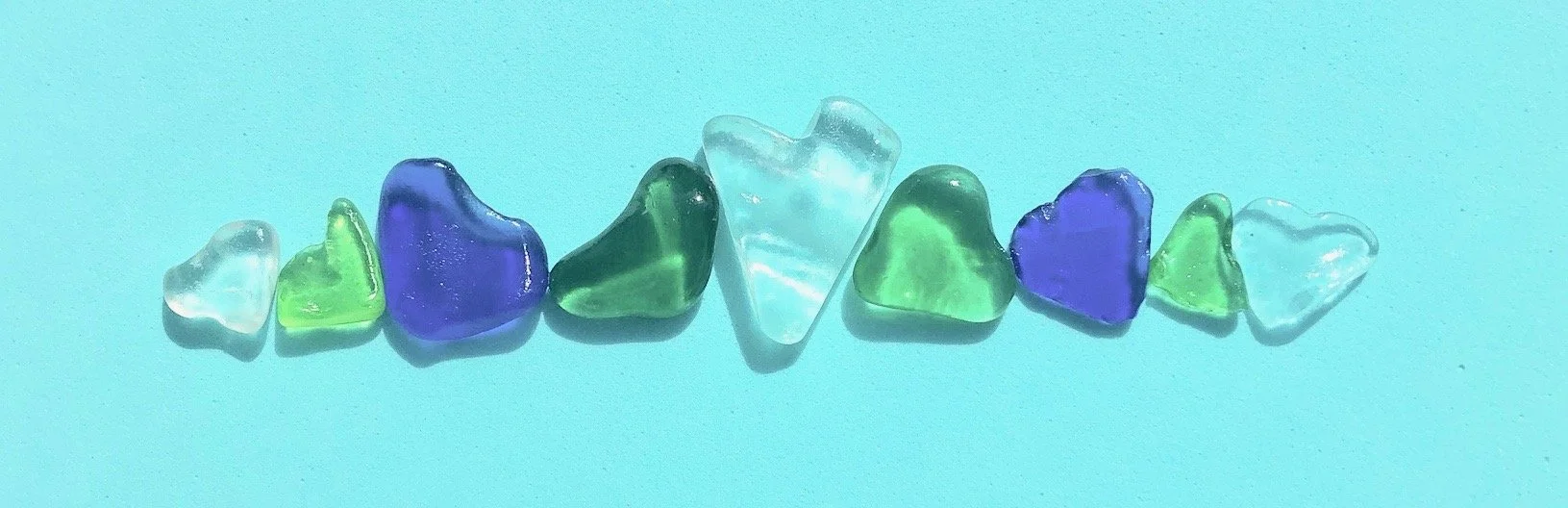
During a teaching career spanning more than three decades, I enjoyed a few summers on Chincoteague Island, a serene spot along Virginia’s Eastern Shore. That’s where I went duck hunting and learned how to carve birds, both waterfowl and shorebirds. It was my good fortune renowned carver, Charles Fish, was the guide for a duck-hunting trip to the Chincoteague Bay marshland, for that’s when I met his son, Rick, and Rick’s wife, Harriet, a couple full of southern hospitality. Over tall glasses of iced sweet tea, homemade crab balls, and chocolate cake from scratch when visiting them at their home in Snow Hill, Maryland, I fell in love with sea glass.
Rick and his father were Chincoteague watermen who relished dredging local waterways to find sea glass. In Rick’s shed, I saw tin oyster cans brimming with pieces of sea glass in a captivating array of shapes and colors. A great storyteller, Rick explained where many of the sea glass artifacts had come from and showed me his collection of “found” bottles.
I was “hooked.” After collecting sea glass for a few years and creating artwork with some of my special finds, I was inspired to write S is for Sea Glass to teach children about the history and the art of sea glass. I was gratified when my students in Upper Chesapeake Bay area elementary schools enjoyed hunting for sea glass at Turkey Point, Maryland, and other river tributaries. For Mother’s Day and other holidays, they created a delightful array of nautical gifts: sea glass photo frames, angel ornaments, and pictures featuring sea glass animals. I continue to collect sea glass and have enjoyed displaying lucky finds at sea glass festivals.